



The Destructive Impact of Carpenter Ants on Your Home
The Destructive Impact of Carpenter Ants on Your Home.
Carpenter ants, seemingly innocuous at first glance, can wreak havoc on your home's structural integrity. These industrious insects tunnel through wood, creating hollow spaces for their nests. While carpenter ants don't consume wood like termites, their relentless burrowing can lead to severe damage over time.
Identifying Carpenter Ants
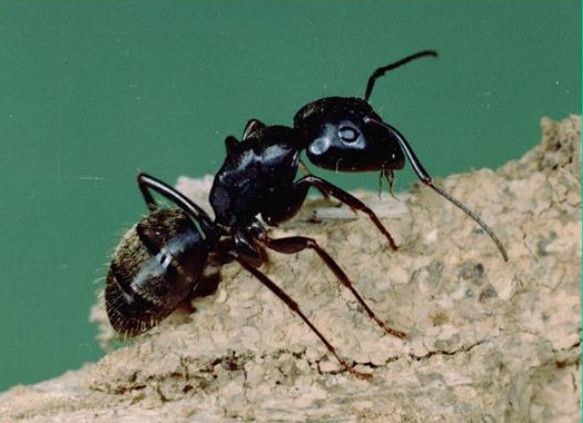 Before we delve into the destruction they cause, let's learn how to identify these stealthy intruders:
-
Appearance: Carpenter ants are relatively large, measuring between 1/4 inch and 5/8 inch in length. They come in shades of black or reddish-brown, and some may even have wings. These wings are crucial for swarming during spring, as they seek new locations for their colonies.
-
Distinctive Features: To differentiate carpenter ants from termites, observe their bodies closely. Carpenter ants have a narrow "waist" (thorax) and antennae with an elbow-like angle. Their wings, if present, have few veins, with the front pair longer than the rear. In contrast, termites have veiny wings of equal size, straight antennae, and only two body segments.
Signs of Carpenter Ant Infestation
Detecting carpenter ant infestations early is vital. Look out for the following signs:
- Worker Ants: Spotting a few worker ants indoors doesn't necessarily indicate a large colony inside. However, if you witness a swarm of winged carpenter ants during spring, it signals an established parent colony nearby.
- Wood Damage: Inspect wood surfaces for small holes where carpenter ants have burrowed. Beneath these holes, you'll find coarse sawdust—a telltale sign of their presence.
The Dangers of Carpenter Ants
Carpenter ants don't discriminate—they'll infest both softwood and hardwood. Their relentless activity can weaken wooden structures, posing risks to your home:
- Structural Damage: As they tunnel through wood, carpenter ants compromise its strength. Over time, this can lead to sagging floors, weakened beams, and even structural collapse.
- Costly Repairs: Repairing the damage caused by carpenter ants can be expensive. Timely intervention is crucial to prevent extensive restoration work.
AntEco Pest Control: Your Ally Against Carpenter Ants
Enter AntEco Pest Control, your trusted partner in safeguarding your home:
- Inspection and Assessment: Our experts conduct thorough inspections to identify the extent of infestation and assess the damage. This ensures accurate solutions tailored to your specific situation.
- Targeted Treatments: AntEco employs effective treatments to eliminate carpenter ants at the source. We address water intrusion points, preventing rot or decay that attracts these pests.
- Preventive Measures: Beyond eradication, we focus on prevention. By addressing moisture issues and sealing entry points, we help you avoid future infestations.
Remember, when it comes to carpenter ants, swift action is essential. Trust AntEco Pest Control your local pest experts to protect your home from these destructive invaders.
Call us for an estimate today!
For more information or to schedule an appointment give us a call at (877) 268 3220, or click the button to contact us by filling out our online form now!
Carpenter Bees: A Woodworking Woe and the AntEco Solution
Carpenter Bees: A Woodworking Woe and the AntEco Solution
 Carpenter Bees and Pest Control
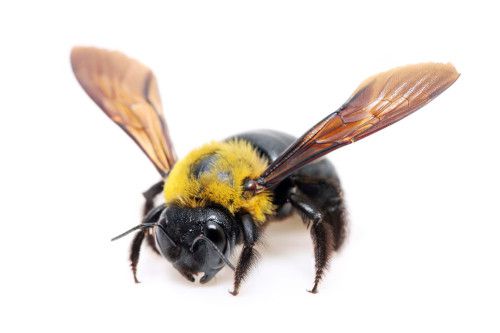
Carpenter bees may not have the same social buzz as their honey-making cousins, but they certainly know how to make an entrance—right into the woodwork of your home. These solitary bees are known for their unique nesting habits, which involve burrowing into wood to lay their eggs. While they play a beneficial role in the ecosystem as pollinators, their wood-drilling ways can cause significant damage to structures, leaving homeowners with a real headache.
Unlike other bees, carpenter bees are solitary creatures. They don’t live in hives but prefer to create their own nests in wood, which can lead to unsightly holes and structural damage over time. The female bee is the one who does the drilling, creating tunnels in which to raise her young. While they’re not typically aggressive, the males can be territorial and may hover around humans if they feel their nest is threatened.
The AntEco Pest Control Solution!
Here’s where AntEco Pest Control comes in. With a focus on eco-friendly pest control solutions, AntEco offers a range of services to manage and mitigate the damage caused by these wood-loving insects. For carpenter bees, which don’t respond to traditional hive removal methods, AntEco employs specialized techniques to address the infestation without harming the environment.
AntEco’s approach to controlling carpenter bees involves a thorough inspection to determine the extent of the infestation and the best course of action. This may include treating the affected wood to discourage further nesting and sealing off entry points to prevent future damage. These methods are designed to be safe for both humans and pets, ensuring that your home remains a comfortable and secure environment.
Pest Control Solution
For those looking to protect their homes from the persistent drilling of carpenter bees, AntEco Pest Control offers a reliable and environmentally conscious solution. With our expertise, you can say goodbye to the buzz of unwelcome guests and hello to peace of mind.
Remember, while it’s important to address pest issues, it’s equally crucial to do so in a way that respects the delicate balance of our ecosystem. AntEco Pest Control understands this balance and strives to provide services that protect both your home and the natural world.
For more information on how AntEco Pest Control can help you manage your carpenter bee problem or get an estimate, see below:
Call us for an estimate today!
For more information or to schedule an appointment give us a call at (877) 268 3220, or click the button to contact us by filling out our online form now!
Effective Strategies for Controlling Mice in Your Home
Effective Strategies for Controlling Mice in Your Home
Introduction:
Sharing your living space with unwanted guests like mice can be a frustrating and unsanitary experience. Mice are not only a nuisance but also carriers of diseases, making it essential to address the issue promptly. In this blog post, we'll explore effective strategies to control mice in your home and restore a clean and comfortable living environment.
Identify Entry Points:
The first step in controlling mice is to identify and seal potential entry points. Mice can squeeze through surprisingly small openings, so carefully inspect your home for gaps around doors, windows, vents, and pipes. Use caulk or steel wool to seal these openings, preventing mice from gaining access.
Maintain Cleanliness:
Mice are attracted to food sources, so maintaining a clean and tidy living space is crucial. Store food in airtight containers, clean up crumbs promptly, and avoid leaving food out overnight. Regularly dispose of household trash and keep garbage bins tightly sealed to discourage mice from foraging for food.
Choose the Right Traps:
Traps are a classic and effective method for controlling mice. There are various types of traps available, including snap traps, glue traps, and electronic traps. Snap traps are quick and humane, while glue traps can be effective for catching multiple mice at once. Electronic traps offer a hands-free approach, instantly killing the mouse when it enters the trap. Choose the method that aligns with your preferences and sensitivities.
Natural Deterrents For Mice Control:
Consider using natural deterrents to keep mice at bay. Peppermint oil, for example, has a strong scent that mice find unpleasant. Soak cotton balls in peppermint oil and place them strategically around potential entry points. Additionally, cats are natural predators of mice, so having a feline friend can act as a deterrent.
Professional Pest Control:
If the mouse infestation persists despite your efforts, it may be time to seek professional help. Pest control professionals have the knowledge and tools to assess the extent of the infestation and implement effective control measures. They can also provide advice on preventing future infestations.
Preventive Measures:
Once you've successfully controlled the current mouse population, it's crucial to implement preventive measures to avoid a recurrence. Regularly inspect your home for new entry points, maintain cleanliness, and consider using natural deterrents on an ongoing basis.
Conclusion:
Controlling mice in your home requires a combination of proactive measures, cleanliness, and, in some cases, professional assistance. By identifying and sealing entry points, maintaining a clean living space, using the right traps, and implementing natural deterrents, you can reclaim your home from these unwanted visitors. Remember, consistency is key in preventing future infestations, so make these strategies a part of your regular household maintenance routine.
Some Rodent Control Facts:
- Mice can squeeze into an opening as small as 1/4" around
- Rats and mice bring disease
- Mice multiply fast. Up to 10 litters per year with 5 or 6 pups per litter
- Rats and mice look to get into your premises just before winter looking for warmth
- Our "landscape rock" looking rat and mice stations are discreet
- Mice will seek out food sources in your home
- Rats and mice will find entry points to your home or office without mitigation efforts
Call us for an estimate today!
For more information or to schedule an appointment give us a call at (877) 268 3220, or click the button to contact us by filling out our online form now!